Braves Face Major Offseason Decision: Why Trading Sean Murphy Could Be the Key to Rebuilding After NLDS Defeat
The Atlanta Braves could consider trading catcher Sean Murphy this offseason as they look to strengthen their roster following another National League Division Series (NLDS) elimination by the Los Angeles Dodgers.
Atlanta’s latest postseason disappointment has raised questions about how the organization should allocate its resources, particularly with a significant financial commitment to two catchers while other areas of the roster need improvement.
The Braves scored just eight runs across four games against the Dodgers and relied on two bullpen games during the series. Those struggles highlighted the challenges the team must address if it hopes to make a deeper postseason run.
Trading Murphy could give Atlanta an opportunity to redirect some of its financial resources toward strengthening its pitching staff and improving the overall balance of the roster. However, any potential deal would need to make financial and baseball sense for the organization.
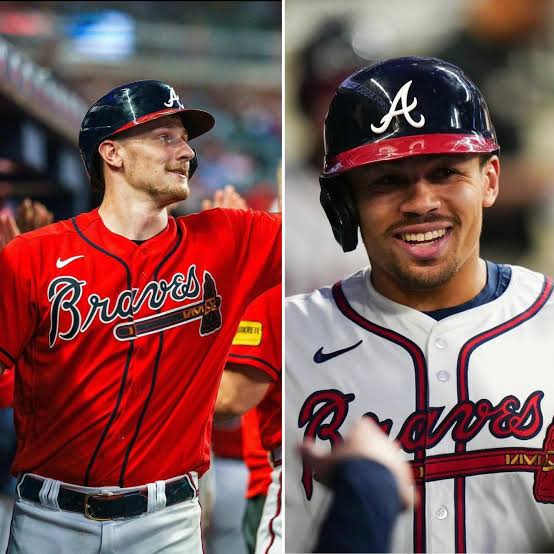
Drake Baldwin Gives Atlanta a Strong Foundation at Catcher
One of the strongest arguments for considering a Murphy trade is the emergence of Drake Baldwin, who delivered an impressive offensive season in 2026.
Baldwin hit .284 with a .358 on-base percentage, 25 home runs, 79 RBIs and an .817 OPS across 138 games. His production suggests that he can serve as Atlanta’s primary catcher moving forward.
With Baldwin establishing himself as a reliable offensive contributor, the Braves may have greater flexibility to reconsider their investment in the catching position.
Murphy, meanwhile, endured a difficult 2026 campaign. He hit .182 with three home runs, 10 RBIs and a .556 OPS in 33 games, striking out 37 times in 121 plate appearances.
However, his struggles must be considered alongside the health issues that affected his season. Recovery from hip surgery and a fractured left middle finger limited his availability and disrupted his performance.
Those setbacks mean Atlanta should not automatically conclude that Murphy cannot return to his previous level. Nevertheless, the organization must weigh his potential recovery against the financial cost of retaining him.
Keeping both catchers would provide valuable depth, but it would also commit significant resources to one position. Moving Murphy could create opportunities to rotate other hitters through the designated hitter role while allowing Baldwin to handle the primary catching responsibilities.
Atlanta would still need to acquire a dependable backup catcher to ensure Baldwin is not overworked during the long regular season.
Sean Murphy’s Contract Could Complicate a Trade
Murphy’s contract is another important factor in Atlanta’s offseason decision-making.
The catcher is scheduled to earn $15 million annually in 2027 and 2028, representing a total commitment of $30 million over the next two seasons. His contract also includes a $15 million club option for 2029, with no buyout.
Given his recent injury concerns and limited production, the Braves must carefully evaluate whether retaining that financial commitment is the best use of their resources.
A trade could provide Atlanta with an opportunity to redirect money toward more pressing needs, particularly reliable starting pitching and additional roster depth.
However, finding a suitable trade partner may not be straightforward. Other teams would need to believe Murphy can recover and deliver enough production to justify the financial commitment.
As a result, Atlanta might have to retain a portion of his salary to make a deal attractive to another organization.
The Braves should also consider the cost of acquiring a replacement catcher before calculating the potential savings. A trade would only make financial sense if the resulting flexibility helped the team improve its overall roster.
Braves Must Avoid Making a Costly Offseason Mistake
Although trading Murphy could create opportunities, Atlanta must avoid sacrificing valuable prospects simply to move his contract.
Accepting a modest return could be reasonable if the financial relief allows the organization to address major weaknesses. However, surrendering additional talent or accepting an unfavorable deal could leave the Braves in a worse position.
Keeping Murphy would remain a legitimate option if the front office cannot secure a deal that benefits the team.
His previous performance and potential to rebound should remain part of the evaluation, especially considering the injuries that disrupted his 2026 season.
At the same time, Baldwin’s emergence gives Atlanta a credible alternative behind the plate and provides the organization with a stronger basis for considering a change.
The Braves must determine whether their resources would be better spent maintaining their current catching tandem or investing in areas that could have a greater impact on their postseason chances.
Conclusion: Atlanta Faces a Critical Decision
The Atlanta Braves enter the offseason with important questions to answer after their NLDS defeat to the Los Angeles Dodgers.
Drake Baldwin’s emergence has strengthened the case for reconsidering Sean Murphy’s role, while Murphy’s contract could offer an opportunity to redistribute financial resources.
However, trading him should not be an automatic decision. Atlanta must carefully evaluate his health, potential trade value, contract and the quality of any available replacement.
If the Braves can negotiate a deal that provides meaningful financial flexibility without weakening their future, trading Murphy could become a practical step toward building a more balanced and competitive roster for the 2027 season.
Leave a Reply